







Your Travel Experience with chilepro
Day 1
Arrival at Baltra Island
You will arrive on Baltra in the morning where your Crew will greet you and your guide will bring you to the boat. You will be informed about the coming days and get a chance to get to know the boat and your cabin.
North Seymour island
The small island of North Seymour is one of the most diverse islands in the Galapagos archipelago. It is only about two square kilometres in size and is above all known for the intensive courtship rituals of many magnificent frigatebirds, taking place here during mating season. The island is also home to large colonies of land iguanas, marine iguanas, and sea lions. The characteristic bush landscape features diverse species of animals amongst the aromatic endemic balsa trees.
Day 2
Santa Fe island
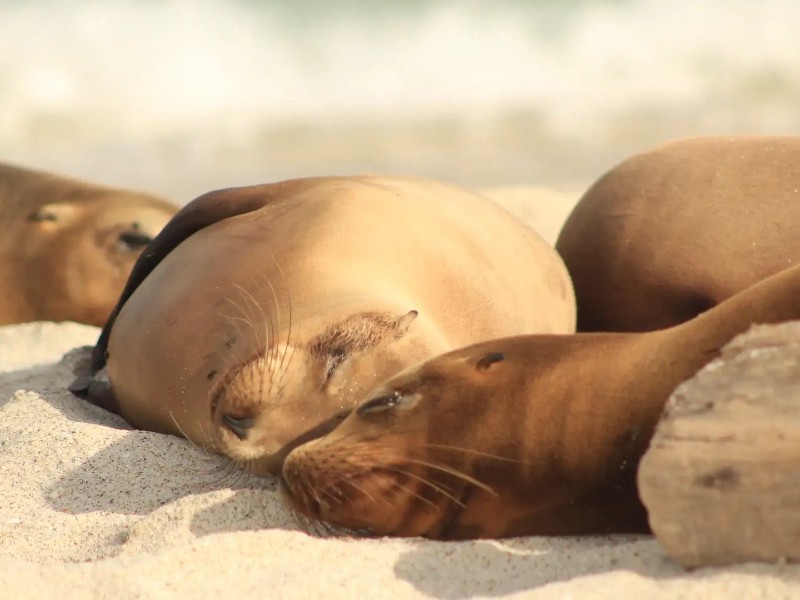
In the morning: Upon arrival at the white sand beach you will be greeted by a large colony of sea lions. A trail leads you from the beach into a forest of prickly pears and Palo Santo trees. It is not rare to spot Galapagos hawks and even owls in the salt bushes. Even harmless snakes and the endemic rice rat can be discovered with a little luck while exploring the island. Arguably the most special, however, is the Santa Fé iguana. This species differs from its peers due to its significantly lighter color and distinct dorsal spines.
South Plaza Island
in the afternoon: One of the smallest and most colourful islands in the archipelago, Plaza Sur, or 'South Plaza' in English, is just a short sail from Santa Cruz. Reaching dry land, you will come across some of the island’s friendly sea lions, one of the many types of animals in South Plaza for you to discover. Wander by the nesting places of swallow-tailed gulls, Audubon shearwaters, red-tailed tropicbirds, masked boobies and frigatebirds. The entire island is carpeted with dense sesuvium plants. From June to November, during the colder and drier season, the plants turn a deep red colour which gives the island a dramatic, fascinating atmosphere. Watch the iguanas searching high up in the opuntia trees for fruit - a sight you'll never see anywhere else in the world.
Day 3
Prinz Philip Steps, Genovesa island
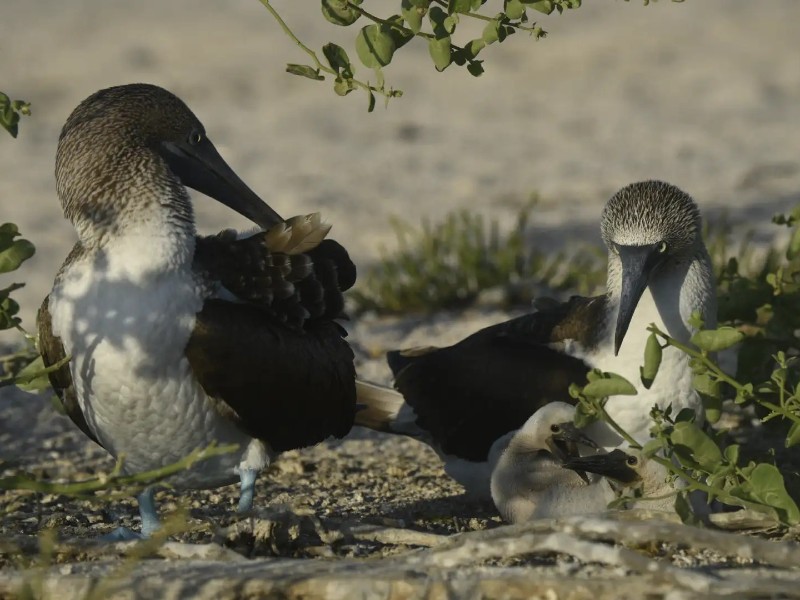
in the morning: Prince Philip's Steps are a staircase sunken into volcanic rock that leads to a plateau rich with vegetation and wildlife. True to the nickname of Bird Island, this area is home to nesting masked and blue-footed boobies, Bahama ducks, petrels and gulls amongst a host of other local species. The Galápagos horned owls bask on the warm volcanic rocks here, paying no attention to the tourists around them.
Darwin Bay, Genovesa Island
in the afternoon: Genovesa Island is secluded from the other main islands in the north of the archipelago and is well-known as the Bird Island. Emerging from the narrow entrance, you'll reach Darwin Bay, surrounded by protective cliffs. Frigatebirds regularly patrol the skies here and petrels can be seen hunting coastal waters for smaller fish. The green water in the bay is evidence of a high plankton content which attracts fish and seabirds, making this wildlife-rich bay a wonderful site for snorkeling. With some luck, you may also encounter peaceful hammerheads and black spotted stingrays.
Day 4
Highlands, Santa Cruz
in the morning: As you venture into Santa Cruz's higher altitude areas, you will notice the changes in the vegetation as the climate becomes wetter and warmer. The earth in the upper altitudes is rich in minerals. Coffee plantations and fruit orchards line the streets. Here you can observe the famous Galapagos giant tortoises in the wild, using the new knowledge you gained at Charles Darwin Station in the morning.
Las Bachas, Santa Cruz
in the afternoon: On the north side of Santa Cruz, you will land on Bachas’s beach - one of the most important nesting sites for the Galapagos Islands’ Sea turtle population. A hidden lagoon behind the bay reveals a treasure trove of animal sightings - sunbathing iguanas, curious shorebirds, and Darwin finches, mockingbirds, and seagulls frolic here. Native plant life is also interesting in this area. Red and black mangroves and salt bushes line the edges of the pond. In this heavenly place, you will also find the remains of barges that sank long ago when the US Navy operated a base on the island of Baltra during the Second World War. Local people changed the word Barges to "Bachas".
Day 5
Kicker Rock, San Cristóbal island
Morning: The famous Kicker Rock is one of the most famous features of the Galapagos Islands. This small island shape was formed from two large lava rocks that look like a sleeping lion when viewed from the south. Hence the Spanish name "León Dormido" literally the sleeping lion. As you cruise around the islands on board, the naturalist guides will point out the various birds that inhabit the island. Among them are Nazca boobies, frigate birds or even swallow-tailed gulls. And if conditions permit, you will experience one of the most magnificent sunsets in the archipelago.
Conclude in Baltra Island
The cruise will conclude in the harbour of Baltra. From there, transfer to Baltra Airport in time for your return flight to the mainland, or continue with your planned route through the Galapagos.