






Your Travel Experience with chilepro
Day 1
Arrival on Baltra Island
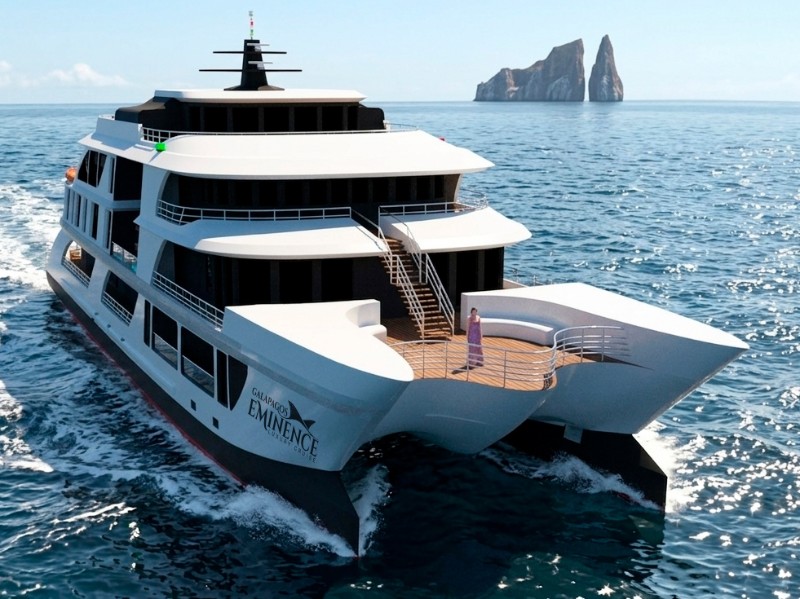
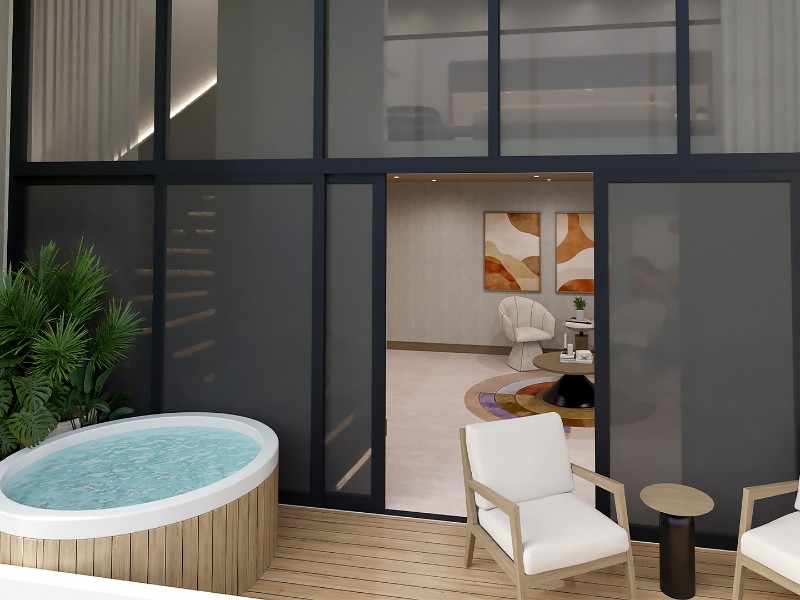
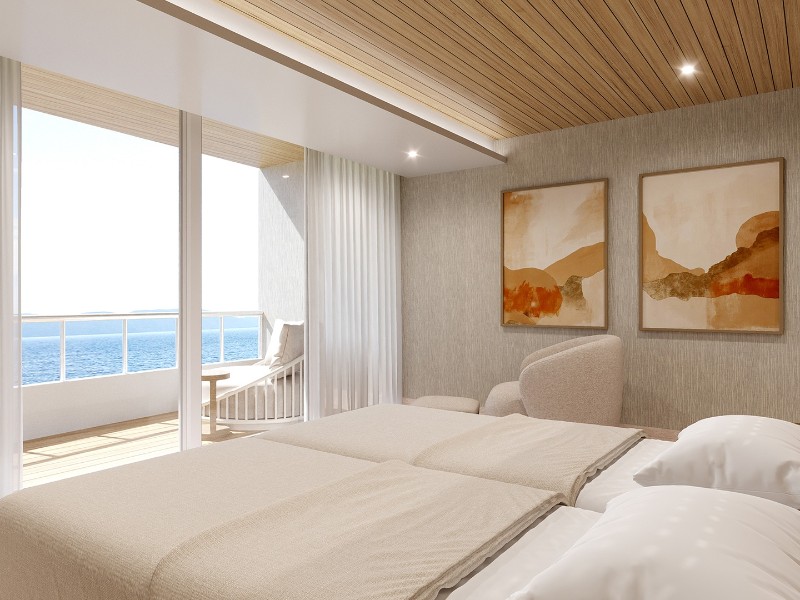
You will arrive on Baltra in the morning where your Crew will greet you and your guide will bring you to the boat. You will be informed about the coming days and get a chance to get to know the boat and your cabin.
Santa Cruz Island, Charles Darwin Research Station
afternoon: Visit the Galapagos giant tortoises and land iguana breeding programme, where the famous Lonesome George (the last surviving specimen from Pinta Island) lived for decades. The centre is managed by Galapagos National Park (GNP) staff in collaboration with scientists from the Charles Darwin Station (CDS). Here, eggs from Pinzon, Santiago and Santa Cruz Islands hatch without the risk of introduced species. After artificial incubation, the "galapaguitos" (newborn turtles) are bred until they are 5 years old so that when they are released into their native habitats, they have enough skills to survive on their own. Since the 1970s, more than 2,000 specimens have returned to their native islands. In addition, Darwin Station works on several scientific projects, botanical research and provides environmental education for local communities, schools, and tourists. If there is still time, you can take a stroll through the town of Puerto Ayora, one of the most important wetlands in the Galapagos. With bogs and lagoons, there are many things to admire here. Walk along the path on good ground or a boardwalk and observe a variety of birds such as flamingos, Galapagos finches, Galapagos doves, Galapagos mockingbirds and sea lizards. Those interested in the flora of the wetlands will not be disappointed here either. This is one of the few places where you can see all four mangrove species. These mangroves are not only important for the inhabitants of the wetland, but they also protect the coast from the crashing waves of the sea.
Day 2
Islet Tintoreras and Sierra Negra
morning: Sierra Negra is the third highest volcano on Isabela Island and the fifth highest in the Galapagos. (1124 m). It erupted a total of 7 times in the 20th century, most recently in October 2005. It is the only volcano on Isabela whose crater region is open to tourism. A half-day hike through the cloud forests brings you to a viewpoint on the rim of the crater and offers fantastic views into the caldera (clear weather required, although unpredictable; thanks to prevailing winds, most clouds dissipate at the viewpoint). The caldera measures about 7 x 9 km and is the largest in the archipelago. A somewhat muddy path along the rim takes you through an evergreen cloud forest that exists only in the highlands of the main islands. The dense and rich vegetation includes ferns, tree ferns and endemic scalesias, laden with epiphytes such as lichens, orchids, and bromeliads. The mist and drizzle - frequent in the cool Garúa season (June-December) - adds to the mysterious atmosphere. Along the way, you may also spot striking songbirds such as the vermilion finch, the golden warbler, and the woodpecker finch (among six other species of Darwin's finches); this species hammers branches like a woodpecker and uses twigs as tools to catch insects!
Tortoise Breeding Center, Isabela
afternoon: After a short walk from the port town of Puerto Villamil, you will reach the Arnaldo Tupiza Interpretation and Breeding Center for Tortoises. A wooden walkway leads to the center and through the impressive surrounding wetlands, which are a wonder in themselves. At the center, you can see five different species of tortoises! They are all endemic to Isabela Island, but various influences, such as volcanic eruptions and imported animals, have destroyed their natural habitat. Here at the turtle breeding center, the eggs are protected and incubated in warmth, while the adult turtles spend their time outside on the huge property. This program was created to increase the turtle population again, as they are an important part of the island's ecology.
Day 3
Punta Moreno, Isabela Island
morning: Punta Moreno is a rugged young lava bay. At first it appears to be a lifeless landscape, however as you walk over the cooled lava, you'll see new green areas and lagoons hosting a wide variety of birds. Marine iguanas and lava lizards are usually found in the lagoons you'll often meet flamingos foraging here for their favourite meal. While the sharp rocks make this hike a little tricky, its path itself is easy enough to be enjoyed by everyone and provides an unforgettable landscape set against a backdrop of the volcanoes Sierra Negra and Cerro Azul. We recommend bringing plenty of water during this visit, as the lava field reflects the sun making the temperature higher than average. Don't forget to apply sunscreen!
Elizabeth Bay
afternoon: The wide and sheltered Elizabeth Bay, on Isabela's east coast, hosts a bevy of the archipelago's unique wildlife. The mangrove-lined shore contrasts starkly against the surrounding lava fields. The myriad of small islets and rocky reefs make this is a particularly rich area for wildlife. The waters here are particularly clear, and this makes Elizabeth Bay a great place to spot the rays, sharks, green sea turtles, Galapagos penguins, pelicans, and Galapagos sea lions known to gather here. Nearer to the shores and mangroves you'll see Galapagos flightless cormorants and the sunbathing marine iguanas.
Day 4
Fernandina Island, Espinoza Point
morning: As one of the youngest islands, formed around 700,000 years ago, Fernandina is also the only island that has not been colonised by mammals or other species apart from endemic ones, making it one of the few untouched ecosystems in the world. The volcano “La Cumbre” last erupted in 2005 and dominates the landscape with lava fields stretching to the ocean. The highlight of the island is the nesting site of the unique flightless cormorant. In addition, here in the north of the island, you have the chance to see Galapagos sea lions, marine iguanas, and some Galapagos penguins. With a little luck, you may also see a Galapagos hawk circling above your head in the sky.
Punta Vicente Roca
afternoon: The sea-horse-shaped island of Isabela is the largest of the archipelago and the most volcanically active. Punta Vicente Roca is considered one of the most impressive and spectacular places of the enchanted Galapagos Islands with high cliffs and tuffstone giving this area a majestic feel. While you explore the two coves and the large bay with spectacular sea life, keep an eye out for seahorses, sea turtles, and the weird and wonderful mola-mola, also known as sunfish. In good condition, Punta Vicente Roca is considered one of the best snorkelling sites in the Galapagos.
Day 5
Puerto Egas
morning: The black beach along the northwest coast of Santiago Island is a great sight, even from the boat. After arriving at the beach, two paths invite you to take a walk. One leads you along the coast to "Fur Seal Grotto", where fur seals lie in the shade and rest on the cool stones of the coast from the strong sun. The grotto provides an excellent place for this and the surrounding pools of the tide attract marine lizards to forage in them.
The second trail takes you to the island's Pan de Azucar volcano, it is responsible for turning the beach black. The volcano's crater is filled with salt water, which dries up in hot weather, leaving a dry saline landscape. Between 1928 and 1930, a salt mine was considered, but it was decided against because it was not feasible or lucrative. The lagoon is often home to Galapagos flamingos and other birds such as the Galapagos hawk, which circles high above the landscape.
Buccaneer-Bay, Espumilla-Beach
afternoon: At the northernmost end of James Bay is Espumilla Beach. Next door, feeding sea lizards, the Green Galapagos Sea Turtles also visit this beach to lay their eggs here. In addition, the beach also offers a nice snorkelling experience, where sharks, rays and octopods have been observed in the clear water. Continue a trail that leads inland, passing a seasonal lagoon, some of which is quite green due to the algae in the water. Along the way, you might encounter Galapagos flamingos, Bahama ducks and many other species of Galapagos birds. If you are lucky, you might also spot a Galapagos hawk circling in the skies above you. At the time of piracy in the 16th century, this cave on the northwestern coast of Santiago was used by pirates and privateers to rest, get fresh water and replenish food supplies. From here it is best to go inland to find water and bring turtles as provisions to the ship, since the ship was well protected and undetected in the cave. Nowadays, numerous Galapagos bird species nest on the cliffs of the cave and circle in the skies above the red beach of the island. This is also a great place for snorkeling and relaxing on the beach with a sea lion or fur seal or two.
Day 6
Bartolomé Island
morning: One of the most popular destinations for visitors to the Galapagos Islands, Bartolomé is known for its double beach. The popular photo motif can be admired from a platform that can be reached via a path from the beach. The path leads upwards for just under a kilometre with many erected wooden steps, but rest assured that the climb is worth it. From here, you not only have a great view of the double beach, but also of Pinnacle Rock, which rises 120 metres into the air. You can also see Sullivan Bay, the small island of Daphne Major and Daphne Minor. On your way back, observe the different rock formations formed by the lava, such as tufa cones or various rocks. The island is also a good example of how the environment adapts to its circumstances. Look out for the plants that grow here, they may look like they have no leaves, but on closer inspection, you can see little white hair that reflects the light so that the plant can store water. On the beach, you then have the opportunity to snorkel in underwater caves and meet sharks, rays and tropical fish. With a bit of luck, you might even see a penguin or two swimming by.
Sullivan-Bay, Santiago Island
afternoon: To the east of Santiago Island, you will reach the white coral beach of Sullivan Bay. Although this beach deserves your full attention, the day will surprise you with another highlight: Santiago's cooled lava blanket. Almost 100 years ago, lava flows covered the island here, leaving behind diverse ground shapes: braided and thread-like lava fields alternate with sharp-edged, jagged formations. Feel the warm stones of the black, unreal lava landscape under your hands and transport yourself back to a time when volcanoes raged here, ultimately creating a paradise.
Day 7
Islet Sombrero Chino
morning: The small island gets its name from its shape because when you approach the island from the north, it looks like a traditional Chinese hat. The island is close to Santiago Island and the sea between the islands is well protected, allowing visitors to look deep into the blue water. On the island, there is the possibility to walk along a short path along the western coast and see the impressive landscape. There are volcanic rocks and residues of lava that once flowed here. The atmosphere and rocks of the island are reminiscent of what the Galapagos Islands once were. Sea lions and Galapagos penguins bask on the island's shores or seek refuge from the sun and cool off in the shade. In the island's skies, you might see a Galapagos hawk or two circling overheads. One of the main reasons to visit this island, however, is the sea that surrounds it. It is a fantastic place to snorkel and spot marine life such as sharks, rays, and a variety of tropical fish. As not all boats have permission to go to this island, it is well worth it.
Santa Cruz Dragon Hill
afternoon: Dragon Mountain represents a great success in the history of the maintenance and protection of the nature of the Galapagos Islands. By 1975, almost all the land lizards of Dragon Mountain were extinct, as introduced dogs hunted them and drastically decimated their numbers. With the Galapagos breeding program, the population could be increased again and already in 1991, the last captive-born land lizard was released into the wild. Since then, the breeding stations have been controlling populations and trying to restore and support the species' population as best they can. But not only does the mountain have a lot to offer, already the coast is already impressive! The rocky beach is a beautiful place to get to know the underwater world and see rays, sharks, and green sea turtles. At the foot of the mountain, you will pass two saltwater lagoons where you may see a flamingo or two, and you may also encounter Darwin's finches and mockingbirds during the short hike up.
Day 8
North Seymour Island
morning: The small island of North Seymour is one of the most diverse islands in the Galapagos archipelago. It is only about two square kilometers in size and is above all known for the intensive courtship rituals of many magnificent frigatebirds, taking place here during mating season. The island is also home to large colonies of land iguanas, marine iguanas, and sea lions. The characteristic bush landscape features diverse species of animals amongst the aromatic endemic balsa trees.
Departure from Baltra Island
afternoon: You will return to the harbor of Baltra. From there, transfer to Baltra Airport in time for your return flight to the mainland or continue with your planned route through the Galapagos.